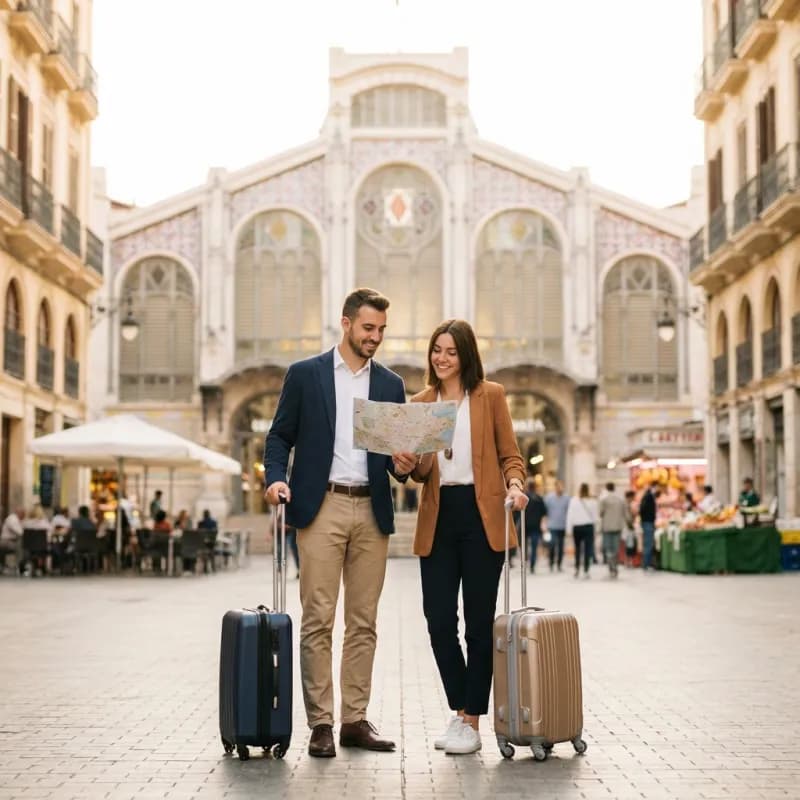
Most advice about moving to another country is about logistics. Find an apartment, sort the visa, register at the town hall, open a bank account, get a phone number. All of that matters, and all of it is solvable. But it is not the part that makes people give up and go home.
The part that breaks people is quieter. It is the third week, when the boxes are unpacked and the admin is mostly done and you realise you have not had a real conversation with anyone in days. You are in a beautiful city, the sun is out, and you feel completely alone. Nobody warns you about that part, because it does not fit on a checklist.
I want to make the case that community is not a nice extra you get to once your life is set up. For a lot of people it is the thing that decides whether the move works at all.
When you move to a new country as an adult, you lose your entire social infrastructure overnight. Not just friends, but the small stuff: the colleague you complain to, the neighbour who waves, the barista who knows your order, the friend you call when something breaks. You do not notice how much of your sense of being settled comes from those tiny connections until they are all gone at once.
Rebuilding that takes time, and the first stretch is the hardest. You do not have the language yet, you do not know how things work, and you have no easy way to meet people. Work helps if you have local colleagues, but plenty of people arrive as remote workers, freelancers or trailing partners, and for them the days can be very quiet.
This is the gap where a lot of relocations quietly fail. The job is fine, the apartment is fine, the weather is great, and the person still leaves after four months because they never built a life. They could not tell you exactly why it did not work. It just did not feel like home.
Here is the part I think gets missed. People treat "sorting out my apartment and paperwork" and "building a social life" as two separate projects, the second one to be tackled later, once the first is done. In practice they feed each other.
If your housing is stressful, if you are dealing with a landlord you cannot understand, a contract you are not sure about, or a flat that does not feel like somewhere you want to invite anyone, your energy goes into survival, not into meeting people. If the paperwork drags on and you cannot register, cannot get healthcare, cannot fully arrive, you stay in limbo, and limbo is lonely. The practical chaos eats the time and the emotional space you would otherwise spend building a life.
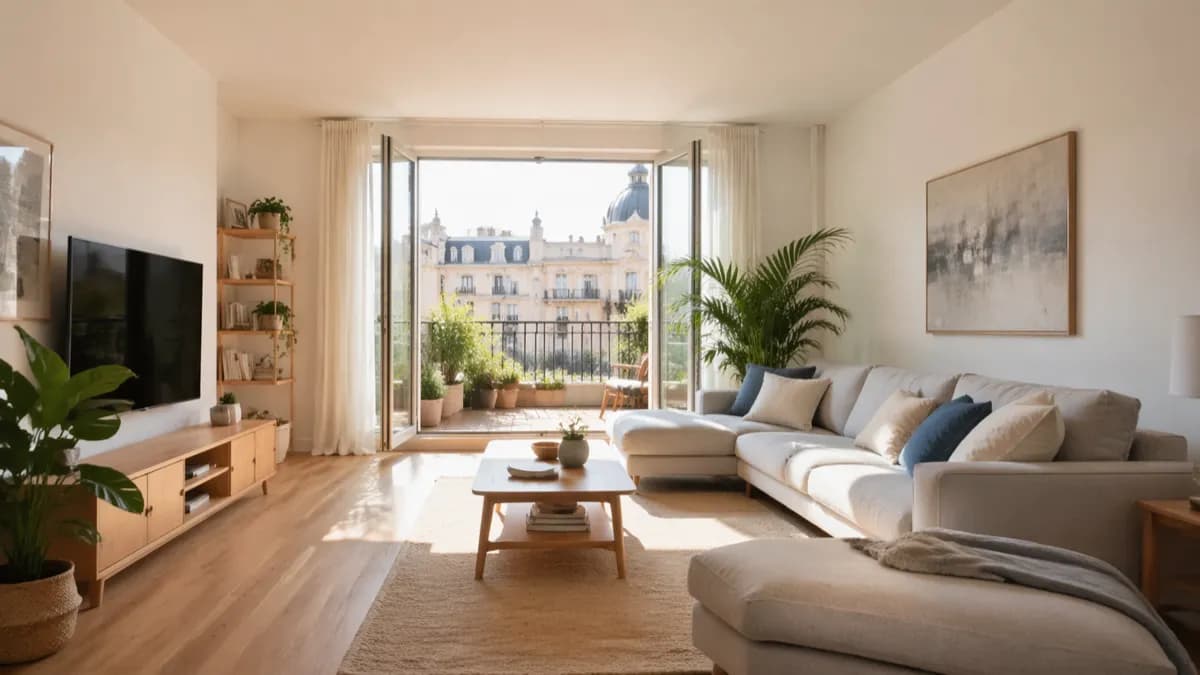
Flip it around. When the boring stuff is handled, when you have a comfortable place that feels like yours from day one and the admin is moving, you have the bandwidth to actually go out, say yes to things, and meet people. Feeling settled physically is what frees you up to settle socially.
This is why I think the companies that genuinely help people land somewhere new are the ones that treat both sides as one job. At Globexs we have always done furnished apartments and the legal side together, one contact for the whole move, precisely because the two are tangled up. But over time it became clear that even that is not the whole picture. People do not just need a flat and a residence permit. They need other people.
Community is a vague word, so let me be concrete. It does not mean you need a huge group of friends within a month. It means having a few low-pressure ways to meet people who are in a similar situation, so you are not starting every single connection from zero.
The easiest version of this is structured events. A casual drinks evening, a language exchange, a group bike ride, a city walk, a workshop. The format barely matters. What matters is that someone else organised it, other newcomers will be there, and you can show up without having to be brave or fluent. You just have to turn up.
That is the whole idea behind the Globexs Community: regular events where expats, remote workers and international professionals can meet, so that meeting people stops being this enormous solo effort and becomes something that just happens because you went to the thing on Thursday. When you live somewhere through a company that runs this kind of thing, the social side is not left entirely to chance and willpower.
The point is not that you need to be handed friends. The point is that the activation energy of meeting people in a new country is brutally high, and anything that lowers it changes the experience completely.
Rent out your apartment with Globexs

If you are about to move, or you have just arrived and the quiet is starting to bite, a few things help.
Say yes early and often, even when you do not feel like it. The first month is when your calendar is emptiest and your motivation is lowest, which is exactly the wrong combination. Going to one event when you would rather stay in is worth more in month one than in month six.
Use the situations where the work of starting a conversation is already done for you. Events for newcomers, coliving common spaces, classes, sports groups. Everyone there is also looking to connect, so the awkwardness is shared and much smaller than it feels.
Be a regular somewhere. The same cafe, the same gym, the same weekly group. Familiarity does a lot of the work that effort cannot. People you see repeatedly become people you know.
Give it more time than feels reasonable. The friendships you had at home took years to build. Comparing month two abroad to a lifetime of connections back home is a trap. It will not feel like home for a while, and that is normal, not a sign you made a mistake.
You can do everything right on paper and still leave, and you can have a slightly chaotic, imperfect setup and stay for years, because you found your people. The deciding factor is almost never the apartment or the visa on their own. It is whether a new place started to feel like a life rather than a logistics exercise.
That is why I keep coming back to the idea that practical help and community belong together. The paperwork and the housing get you through the door. The community is what makes you want to stay. Companies that understand this, that pair a flat and a residence permit with an actual way to meet people, are solving the real problem, not just the visible one.
If you are planning a move and want the practical and the social side handled together, that is exactly what we do at Globexs. You can see how it works at globexs.com, and you can find the events and join the Globexs Community at globexscommunity.com.