Globexs

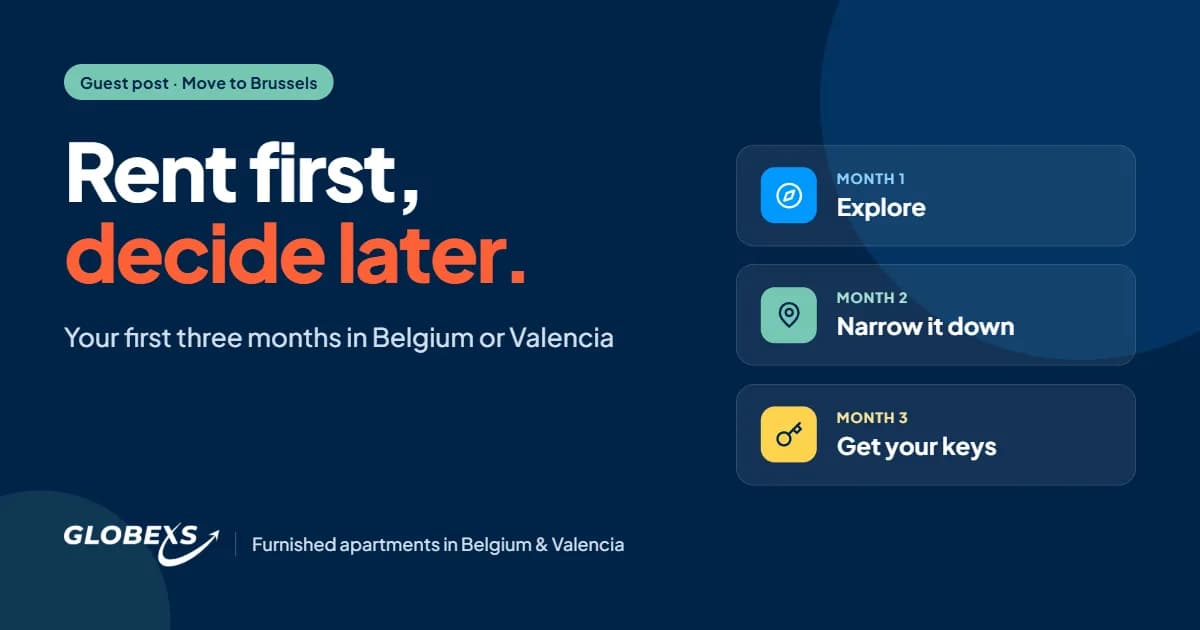
Rent first, decide later: your first three months in Belgium or Valencia

Rent first, decide later: your first three months in Belgium or Valencia

A guest post by Jonathan Druitt of Move to Brussels and Move to the Costa Blanca, Globexs partners who help people plan their move to Belgium and Spain.

Most moves abroad start with a big decision made from far away: where to live. You pick a flat from photos, sign a long contract and hope the neighbourhood works for you. More often than not, the first few months show that a different area, commute or town would have suited you better.

The advice Jonathan gives most often is simple: start in a furnished apartment for a few months, and choose your long-term home once you actually know the place. That's exactly what we see every day at Globexs with the people who stay in our furnished apartments in Brussels, Antwerp, Ghent, Leuven, Bruges and Valencia. Here's why it works, and how to make the most of those first three months.

Why a long lease is hard to get right from abroad

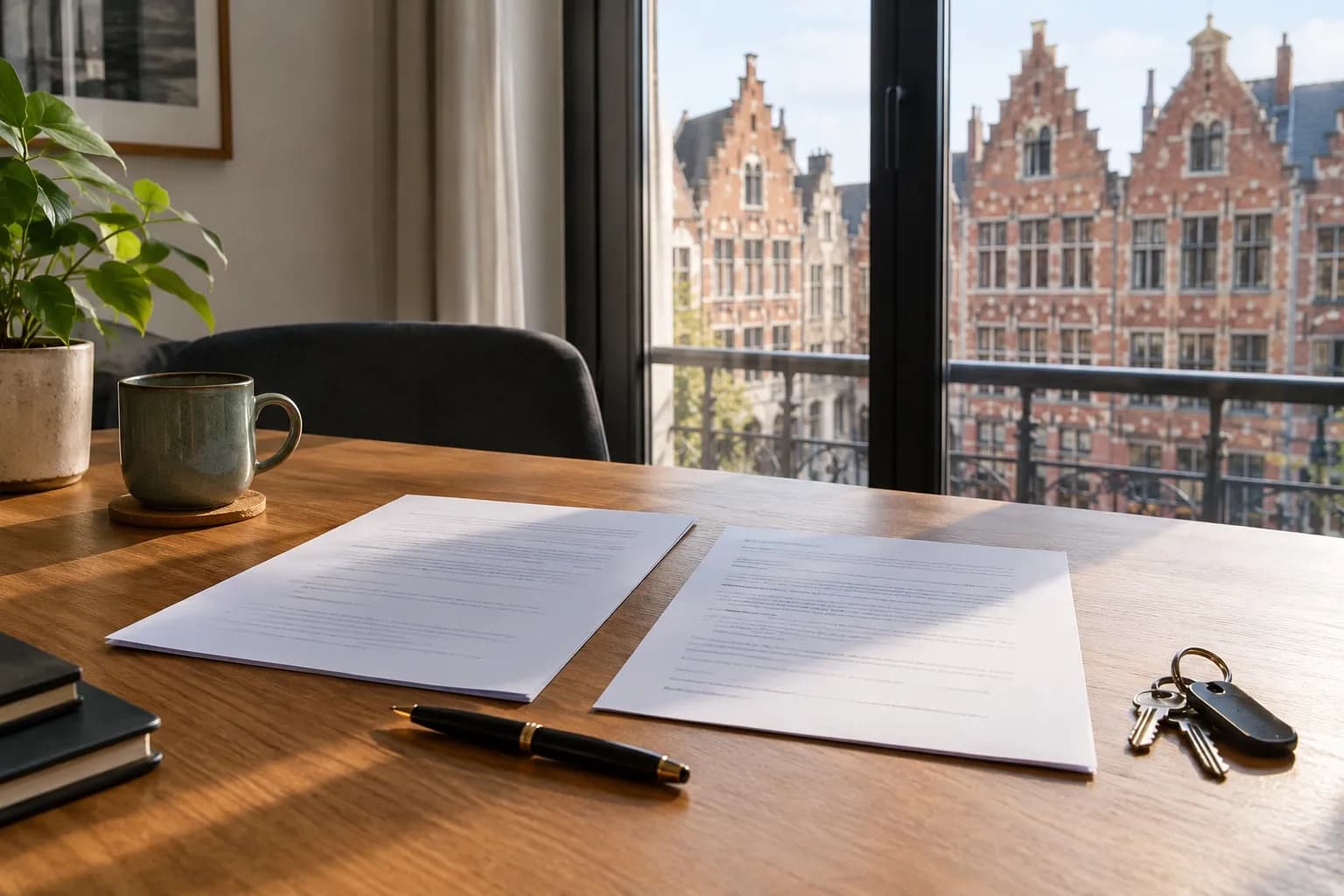
In Belgium, a standard residential lease usually runs for nine years. It's known as a "3-6-9" lease, after the points at which it can be ended. Most long-term rentals come unfurnished. The deposit of up to two months' rent is usually held in a blocked Belgian bank account, so you need to open one first, and landlords often ask for Belgian payslips, which you won't have yet.

In Spain, a long-term lease usually runs for at least 12 months. Along the coast there's an extra risk: a beach town in August can feel very different in January. Choosing a home straight after a summer holiday is one of the most common mistakes Jonathan sees.

A furnished mid-term rental of a few months avoids most of this. You arrive with a suitcase, and with Globexs all bills are included in one all-in price, so there are no energy contracts or utility set-ups to deal with. You get time to make the big decision based on real experience.

Belgium: what to do in your first three months

Choose your area by commute and school. Brussels has 19 communes, each with its own character, schools and local procedures. People working with the EU often choose the European Quarter, Etterbeek or Ixelles. Families tend to look at Uccle and the two Woluwe communes for the international schools and green space. Younger professionals often like Saint-Gilles and the city centre. Living in the city for a while is the best way to find your own fit, and the same goes for Antwerp, Ghent, Leuven and Bruges.
Test your commute at rush hour. Brussels is compact, but traffic is heavy. A route that's quick at midday can be slow at 8:30am.

Plan your commune registration early. Everyone who settles in Belgium must register at their local commune, which leads to your residence card. Each commune has its own process and waiting times. Registration from a mid-term apartment depends on the owner and isn't always possible, so if you need your residence card quickly for work, banking or school, plan this before you book.

Don't worry too much about language. Brussels is officially bilingual, French and Dutch, but English is widely spoken.

Valencia and the Costa Blanca: what to do in your first three months

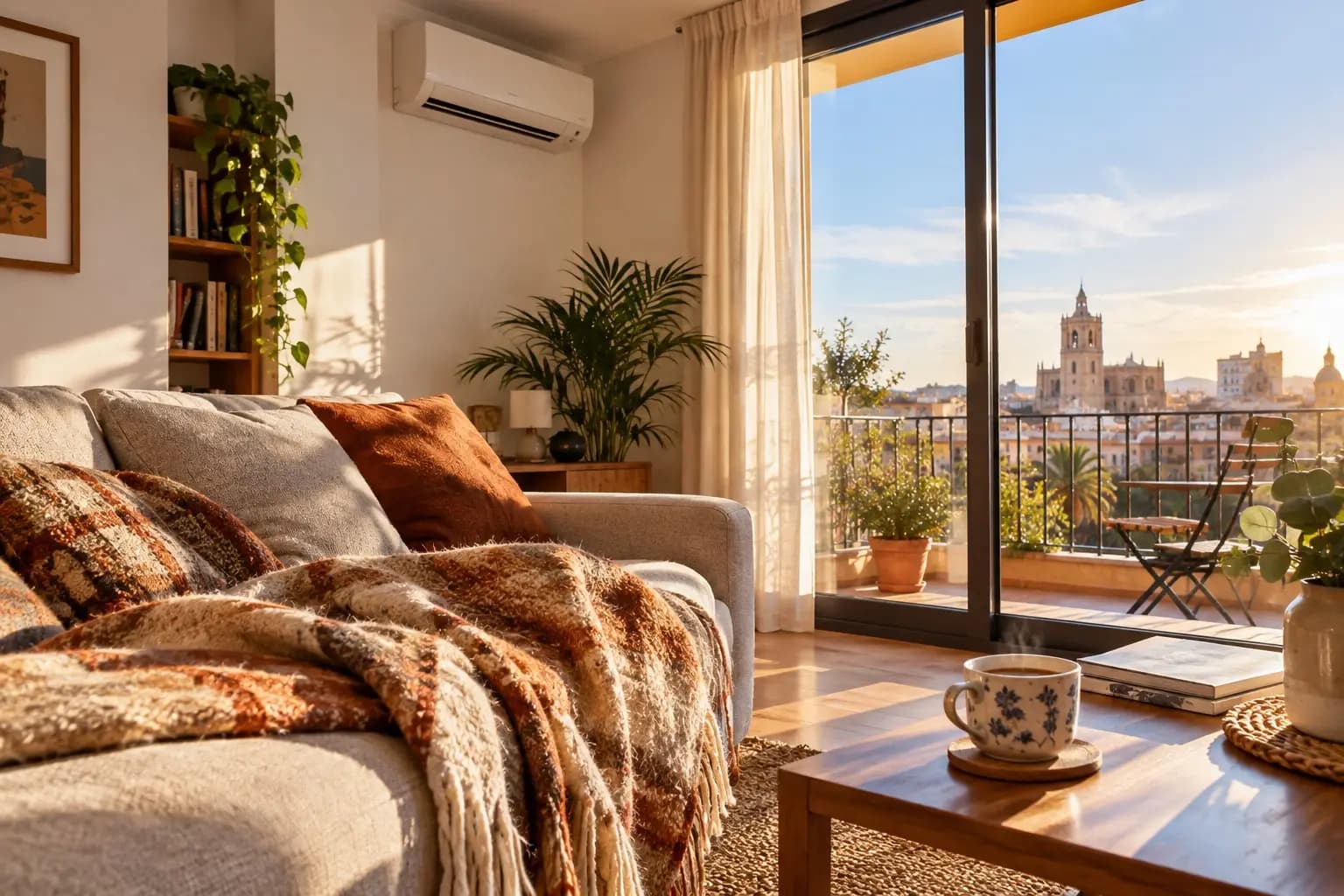
Live through a change of season. Stay long enough to see what your chosen area is like outside the holiday months. Check which shops and restaurants stay open, and how busy it gets.

Compare different kinds of area. City neighbourhoods, beach towns, old towns and inland villages suit very different people. Valencia gives you city life and beaches in one place, and the Costa Blanca is less than two hours away, so a few months in Valencia gives you time to explore both.

Test daily life. Find out how you'd get to healthcare, schools and transport, and how long things take.

Get your NIE early. Your NIE (foreigner's identity number) is needed for almost everything in Spain, including opening a bank account, getting a phone contract, working and buying property. You can apply while staying in a mid-term rental. Government appointments (cita previa) fill up quickly, so book as soon as you can.

Check your visa if you're coming from outside the EU. UK nationals and other non-EU citizens can stay in the Schengen area for up to 90 days in any 180-day period without a visa. To stay longer, you need a visa or residence permit, such as the non-lucrative visa or the digital nomad visa.

Meet people while you look around

A new city is easier to judge when you know a few people in it. As a Globexs resident you can join the Globexs Community: regular events and discounts with local partners, so your first months are also about settling in, not just flat-hunting.

A simple checklist for your first 90 days

  1. Book a furnished apartment for at least three months, in or near the area you're most interested in.

  2. In the first week, book your commune registration in Belgium, or your NIE and other appointments in Spain.

  3. Spend the first month exploring: different areas, your commute, schools and local services.

  4. In the second month, narrow your choice down to one or two areas and start viewing long-term homes.

  5. In the third month, sign your long-term lease or start your purchase, or extend your furnished stay if you need more time.

Take your time

A move abroad is easier when you're not under pressure to commit straight away. A few months in a furnished home gives you time to settle in, learn how things work and choose an area you'll be happy in for years.

Looking for a furnished apartment for your first months in Belgium or Valencia? Browse our apartments at Globexs or get in touch with our team.

About the author

Jonathan Druitt runs Move to Brussels and Move to the Costa Blanca, which help people plan their move with practical guides, free planning calls and introductions to trusted local providers.

Property Owners

Discover the Benefits of Expat Rentals

Rent out your apartment with Globexs

Property owners meeting