The emotional journey of moving abroad isn't always visible on the surface, but it shapes how expats adapt, connect, and eventually find home.
At Globexs, we’ve walked this road with hundreds of digital nomads, corporate professionals, and families. Through our mid-term rentals in Valencia, temporary housing solutions, and the Globexs Community, we’ve seen first-hand how the emotional aspect of relocation is just as important as the logistics.
A Personal Story: "I Thought I Was Ready…"
Katrin, a 34-year-old UX designer from Berlin, had always dreamed of living in Spain. The sun, the food, the lifestyle — it seemed like a perfect escape from grey winters and work-from-home isolation. With her job fully remote, she packed her life into two suitcases and booked a furnished apartment in Valencia through Globexs for three months.
Her first week was magic: morning coffee under palm trees, working from beachside cafés, getting lost in the colorful streets of Ruzafa. But then came the silence.
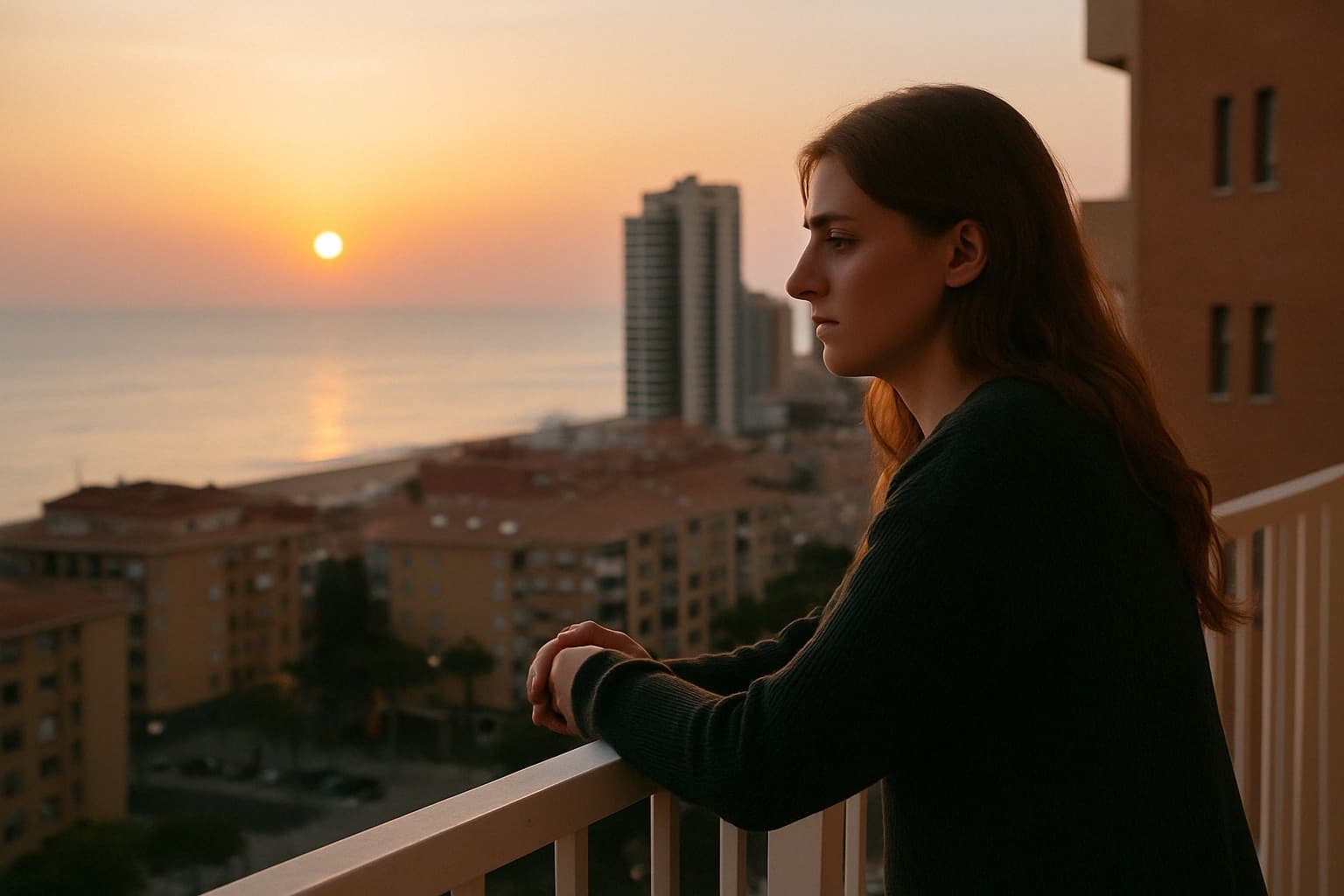
"I remember one evening, sitting on my balcony, watching the Valencian sunset," Katrin shared. "It was beautiful, but I suddenly felt so alone. I didn’t know anyone. I missed the sound of my native language. I didn’t even know where to buy the right shampoo."
The emotional crash after the honeymoon phase of relocation is real. It happens to almost every expat.
The Hidden Cost of Starting Over
Moving abroad means leaving behind not just places, but people. Your daily routines, your social circles, your sense of familiarity — all vanish. Even with the best apartment for a few months in Valencia, there’s no furniture that can fill the space of human connection.
Many expats feel guilty for struggling. “I chose this. I should be grateful.” But emotions don’t always follow logic. The truth is: culture shock, loneliness, and emotional fatigue are normal, even in a city as sunny and warm as Valencia.