Housing a project team in Belgium is mostly a series of small decisions made in the right order: where the team works, how many people, whether they drive, and what happens when the team changes halfway through. The apartment comes last. This guide is for project managers and HR teams placing anyone from one engineer to a crew of 50, in Brussels, around the port of Antwerp or in the Ghent canal zone, for one to eleven months.
The work location narrows the options more than any other detail, so it should be the first line of the brief.
Port of Antwerp. The port is large, split by the Scheldt, and each bank has its own practical housing districts. The wrong bank means two tunnel crossings a day. District by district: furnished apartments near Antwerp port.
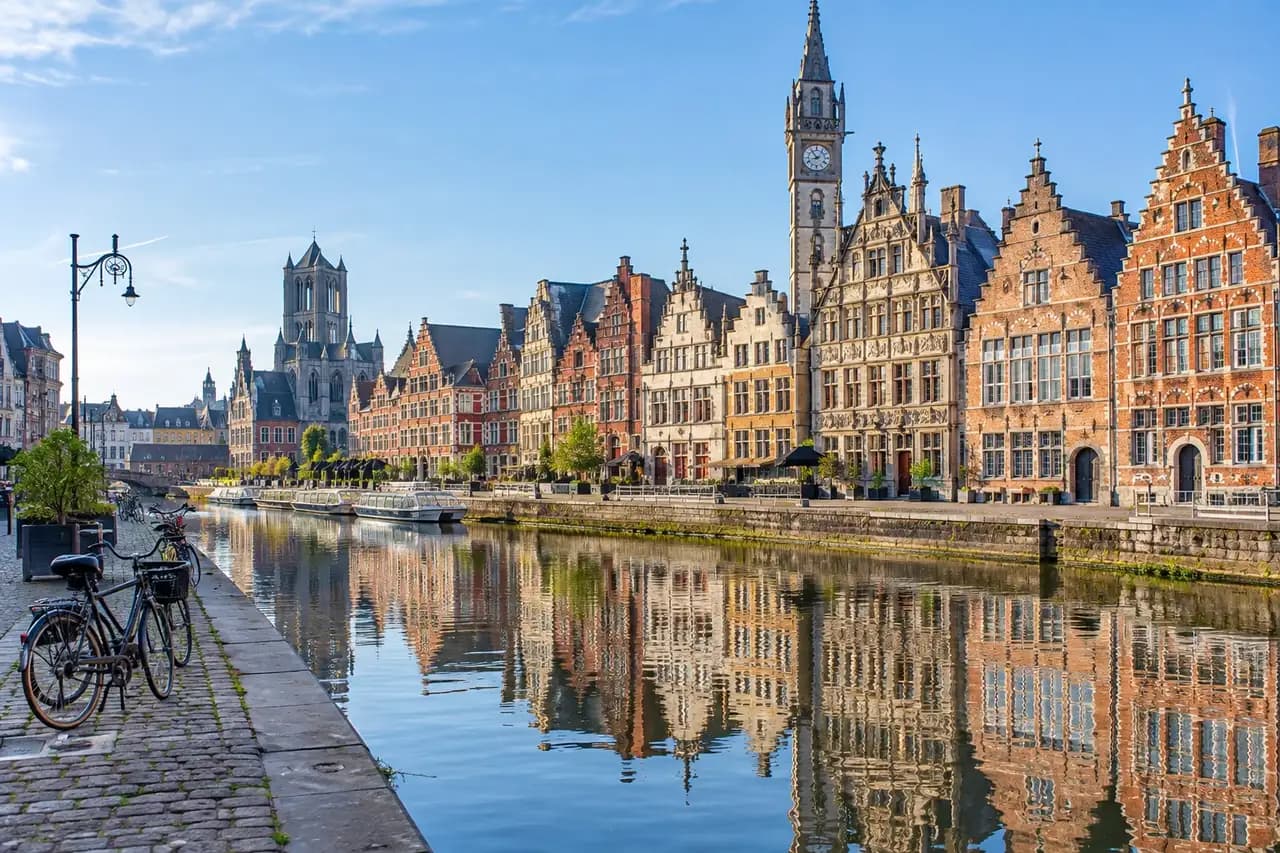
Ghent canal zone and North Sea Port. The plants and terminals sit north of the city along the canal. For shift work, the northern districts with parking are usually a better base than the historic centre. Current options: furnished rentals in Ghent.
Brussels. Office-based projects and work with the institutions favour the city itself. Construction and installation crews often do better just outside the Ring, where houses with driveways are more common. Crew housing around Brussels is covered here: worker accommodation in Belgium.
If a project touches two sites, say so at the start. Ghent sits between Antwerp and Brussels, and one base can sometimes serve both.
The choice between a shared house and separate apartments depends on team size, seniority and how long people stay.
Team | Usual fit | Why |
|---|---|---|
1 person | one apartment near the site or near transport | simplest contract, easy to extend or rotate |
2 to 5 people | one house with individual rooms | one address, one set of keys, one invoice |
6 to 15 people | two or three houses, or a house plus apartments | a single property of this size is rare near most sites |
16 to 50 people | a mix of houses and apartments in one or two areas | spread across properties, kept close enough to share transport |
A house with individual rooms keeps a crew together, simplifies transport to the site and means one contract and one invoice for the whole house. It suits teams arriving and leaving together, on similar schedules.
Several apartments give privacy to senior staff, engineers staying six months or more, or anyone joined by a partner. They also make partial changes easier: one apartment can be extended while another ends.
Mixing both on the same project is normal. Note for finance: each apartment or house comes with one all-in invoice, issued on the 15th, payable by the 1st of the following month. A project with four properties receives four invoices.
Parking is set property by property, and it is listed in each listing.
Where a property has a private space, it usually costs extra, typically around EUR 100 per month. Where it does not, the team parks on the street, which in city centres means permits, time limits and scarce spaces. Brussels, Antwerp and Ghent all run low-emission zones, so check that every vehicle meets the rules for the zone where the team will sleep, not only where it will work.
Tell us at the brief stage how many vehicles the team brings, and whether any of them are vans. A crew with three vans and a city-centre apartment is a daily problem. The same crew in a house with a driveway is not.
Rent out your apartment with Globexs

Arrival can be the same day or the day after the contract is signed and the payment arrives by instant transfer.
A typical sequence:
You send the site, the headcount, the dates and the vehicles.
We come back with properties that fit, with the parking situation for each.
You choose, and the contract is signed.
The first payment is made by instant transfer.
The team moves in the same day or the next day.
The limit is availability, not paperwork. For individual tenants we ask only for an ID document, and nobody on the team needs a Belgian bank account.
September is the tightest month. Projects restart after the summer holidays and many new teams arrive at once. For a September start, send the brief in July. For large teams at any time of year, a few weeks of notice widens the choice considerably.
Project teams rarely stay the same from first day to last, and the housing contract can follow the changes.
Replacing a team member. When one person leaves and another takes their place, the contract continues. We add an addendum changing the tenant; the property, the contract and the invoice stay the same.
Extending. If the project runs longer, one email is enough to request an extension, for corporate clients as well as individuals.
A partner joins. Tell us in advance. The price depends on the number of occupants, because energy is included in the rent.
Ending early. Notice terms are set in each contract, and a flexible cancellation option is available. Read that clause before signing, not in the last week of the project.
The full picture, with planning advice: rotation, extension and early exit in corporate housing.
This is an illustrative example, not a client case.
A maintenance contractor sends eight technicians to a site in the Ghent canal zone for five months, with two vans. The brief goes in six weeks before the start. Six technicians share a house with individual rooms and a driveway north of the city; the two supervisors take two apartments nearby, because both plan to be joined by partners for part of the stay. That makes three contracts and three invoices.
In month three, one technician is replaced: an addendum to the house contract names the new tenant. In month four, the project is extended by six weeks with one email. The vans never leave the driveway at night.
A complete brief gets a useful answer on the first reply.
The site address or the name of the plant or terminal
Headcount, and how many people need a room of their own
Start date, expected end date, and how certain the end date is
Number of vehicles, and whether any are vans
Whether anyone will be joined by a partner or family
Whether anyone will stay longer than three months and need to register with the commune; our apartments can be used as a registered address when the owner agrees. Guide: registering with the commune in Belgium
Pets, if any; these need the owner's consent and must be mentioned before booking
Globexs houses teams of 1 to 50 people in Belgium on contracts from one to eleven months, and has done this kind of work since 2002. We have 135 published properties in Belgium. The rent is all-in, with energy included and no cap in euros. Cleaning every two weeks is included in some properties; each listing says whether it applies.
Corporate housing across Belgium · Brussels · Antwerp · Ghent · Corporate housing in Antwerp: guide for HR · How renting with Globexs works
From 1 to 50, in Brussels, Antwerp and Ghent. Larger teams are usually spread across several houses and apartments in one or two areas close to the site.
A house with individual rooms suits crews arriving and leaving together. Separate apartments suit senior staff, longer stays and anyone joined by a partner. Many projects use both.
The same day or the next day after the contract is signed and the payment arrives by instant transfer, subject to availability. In September, availability is at its tightest.
It depends on the property and is shown in each listing. A private space usually costs around EUR 100 per month extra; otherwise the team parks on the street.
The contract continues. We add an addendum that changes the tenant, and the property and invoice stay the same.
Yes. One email is enough to request an extension. Contracts run from one to eleven months.
One all-in invoice per apartment or house, rent and energy together, issued on the 15th and payable by the 1st of the following month.
Globexs was founded in Antwerp in 2002 by Lodewijk Cuypers and today houses individuals and teams of up to 50 people in 135 furnished properties across Brussels, Antwerp and Ghent.